
 Owen Sanders
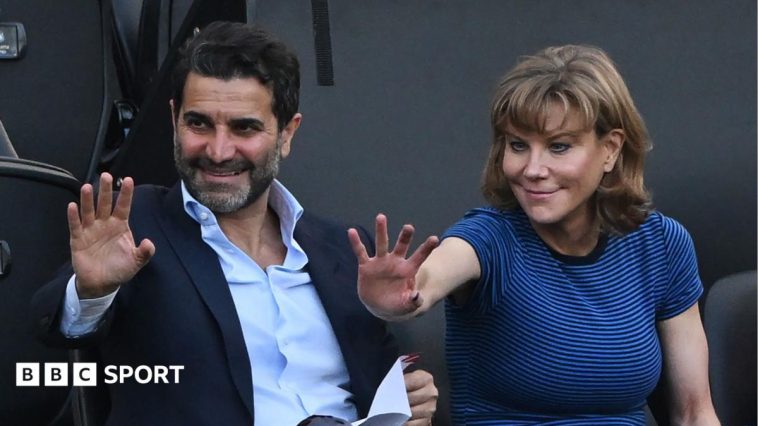
West Ham’s ownership picture has taken another twist, with Amanda Staveley’s consortium agreeing a deal to buy the stake held by the family of the late former co-chairman David Gold. The proposed transaction is significant, but it is not yet the final word on who controls the club’s future.
The development was reported by BBC Sport, which said Vanessa Gold had confirmed an agreement with a group led by Staveley and her husband, Mehrdad Ghodoussi. Their PCP Capital Partners vehicle is working alongside Ashland Forest Capital Partners on the proposed purchase.
Gold family backs Staveley consortium
Gold’s family holds a substantial minority position in West Ham. In a statement quoted by the BBC, Vanessa Gold said the process had not concluded, but that she wanted supporters to understand her intentions. She described the consortium as bringing the experience and understanding required to lead a football club successfully.
The move would bring Staveley back into the ownership conversation at a Premier League club. She and Ghodoussi were previously shareholders at Newcastle United between 2021 and 2024, after helping facilitate the Saudi-led takeover of the Tyneside club.
For West Ham, the timing is striking. The club are preparing for life in the Championship after relegation, with a Carabao Cup tie against Portsmouth scheduled for 8 August before an opening league fixture at Burnley the following weekend. Stability at boardroom level would be valuable as the squad and football operation adjust to a very different financial and competitive landscape.
Kretinsky warns the story is not over
Daniel Kretinsky, who owns the next-largest stake in West Ham, has challenged the suggestion that the transfer is straightforward. His representative told the BBC that an agreement reached with the Gold family in June had offered stability, and argued that the latest announcement had instead created uncertainty.
Kretinsky is reviewing his options, including the possibility of using pre-emption rights. These provisions can allow existing shareholders to match an offer before shares are transferred to an outside party. The precise implications will depend on the legal arrangements already in place, but the issue could prolong the process considerably.
The Czech businessman had been in talks to increase his holding earlier in the summer. That proposed rise, from 27 per cent to 43 per cent, would have taken him beyond David Sullivan’s reported 38.8 per cent stake and made him the club’s largest shareholder. Those discussions fell away, opening the door to the Staveley-backed proposal.
A boardroom contest with football consequences
The dispute arrives against a difficult backdrop. West Ham’s relegation has made the ownership question more than a matter of corporate arithmetic: the next strategic decisions will affect recruitment, finances and the speed of any promotion push.
Gold and Kretinsky had also expressed concern about allegations made against Sullivan following a joint BBC Panorama and Times investigation. Sullivan has categorically denied the allegations. The ownership negotiations therefore carry an added layer of scrutiny, with supporters watching closely for clarity over the club’s direction.
Staveley’s consortium now has an agreement, but Kretinsky’s response means completion cannot be assumed. Until the pre-emption question is resolved, West Ham remain caught between a proposed new influence and an existing shareholder determined to protect his position. The next chapter may be decided as much by the paperwork as by events on the pitch.
Source: BBC Sport. Photo: Getty Images.




GIPHY App Key not set. Please check settings