
 Owen Sanders
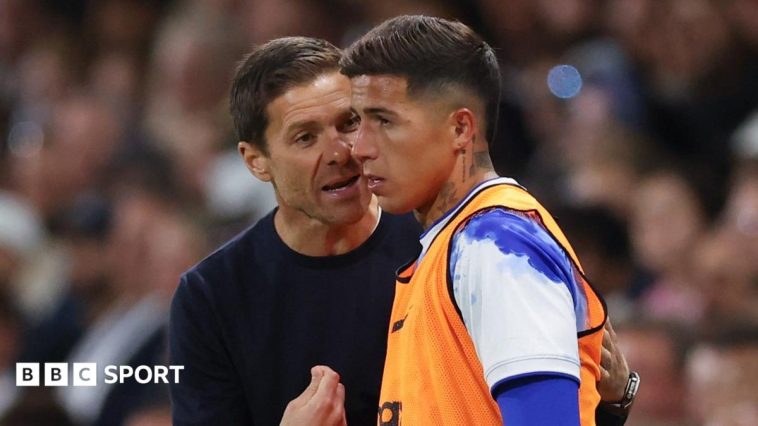
Chelsea have pulled off the biggest player-fire-sale in European football history, and there is nothing accidental about it. Move a dozen or so bodies and call it a rebuild; shift 39 and you are running something close to a trading desk. The club’s internal ledger shows more than £500m flowing back in from departures over the summer window — 17 outright sales, 22 loans, four of those carrying options or obligations worth £140m-plus, and not a penny of it from the four academy prospects quietly released into freedom.
That figure, Chelsea believe, is a world record for a single window. It is certainly the loudest possible answer to the charge, repeated for four years, that the club knew how to spend but not how to sell.
A window that turned a profit
The shopping was still lavish — £349m went on 11 newcomers, among them Morgan Rogers, Lacroix and goalkeeper Emiliano Martinez. But this time the numbers moved the right way. BBC Sport’s sums, compiled with FootballTransfers founder Paul Macdonald, put incomings at £349m and outgoings at £382m, before any of those loan options, obligations or add-ons are even counted. Strip everything back and Chelsea privately estimate a trading profit of around £120m.
The big-ticket leavers make the point on their own. Enzo Fernandez’s £125m switch to Manchester City matched the British record, Nicolas Jackson went to Aston Villa for £65m, Marc Cucurella joined Real Madrid for £51.8m, and Liam Delap and Andrey Santos each moved for roughly £50m. All told, Chelsea banked five sales worth more than £40m — seven once you count Mudryk’s loan to Tottenham, which carries a £75m option, and Garnacho’s move to Villa, saddled with a £43m obligation. For context, the entire Serie A managed four £40m-plus signings this summer; La Liga two; the Bundesliga four.
Despite losing almost a whole squad in numbers, the club website still lists 30 players on the first-team books.
Selling to rivals, stylishly
The clear-out has been notable for who did the buying. Aston Villa have done business with Chelsea eight times across four seasons, a tally only Brighton’s steady traffic in the opposite direction has equalled over the same stretch. Arsenal, the ‘big six’ club to have signed most Blues players under the current ownership, have taken Noni Madueke, Kai Havertz and Kepa Arrizabalaga. Mudryk’s loan to Spurs was the first loan between the two London clubs in 34 years. Sister club Strasbourg chipped in with two transfers and three loans of their own.
Why the model changed
This was not chance, but consequence. Chelsea’s chastening 8-2 Champions League defeat at Paris St-Germain last season hardened a simmering unrest, and a 10th-place league finish turned noise into action. Senior figures sought feedback from experienced players; co-owner Behdad Eghbali spoke openly of needing to “tweak the model”, and Xabi Alonso was appointed on the strength of his authority over the dressing room. Moises Caicedo, Reece James and Joao Pedro all signed new deals, while the additions of Henderson, Welbeck and the veteran Argentine keeper — the club’s oldest signings since 2022 — are meant to add cool heads to a dressing room that had, for two successive campaigns, contained the Premier League’s youngest group of players.
None of it erases the bumpy ride: a Uefa financial breach and settlement, the controversial sale of two hotels and the women’s team to ownership-linked companies, and Chelsea’s own acknowledgement that elements of the old approach fell short. Spending across nine windows has still approached £2bn, against more than £1bn recouped in sales — including £236m, £178m and £289m in the three previous summers.
Whether the great clear-out is brilliant trading or damage limitation for the chaos before it, only the results will tell. BBC Sport’s breakdown of Chelsea’s remarkable window has the full detail of all 39 departures.




GIPHY App Key not set. Please check settings